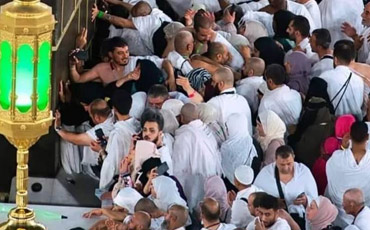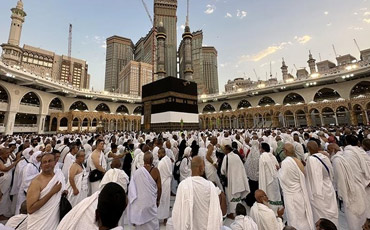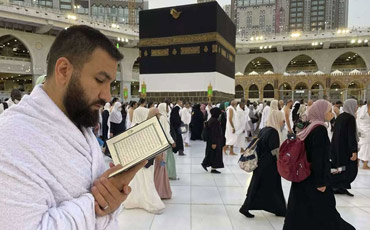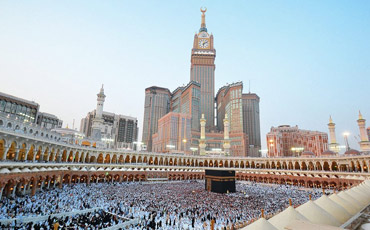
Hajj is one of the most important acts of worship in Islam and is one of the Five Pillars of Islam. It is the pilgrimage to Makkah that Muslims are required to perform once in their lifetime if they are physically and financially able to do so.
Every year, Muslims from different parts of the world travel to Makkah to perform the prescribed rites of Hajj. The pilgrimage takes place during specific days of Dhul Hijjah, the final month of the Islamic lunar calendar.
If you are asking what is Hajj, why it is important and what happens during the pilgrimage, understanding its purpose and main rituals is a good place to start.
Hajj is the annual pilgrimage to the sacred city of Makkah performed during the designated days of Dhul Hijjah.
It is an obligation upon an adult Muslim who has the physical and financial ability to undertake the journey. The obligation is generally understood to apply once in a lifetime when a person has the required ability.
Hajj is not simply a journey to a holy place. It involves a series of prescribed acts of worship connected with the history of Prophet Ibrahim (Abraham), his family and the Kaaba.
Hajj is one of the Five Pillars of Islam.
It brings Muslims from different countries, cultures and backgrounds together for the same purpose: worshipping Allah and completing the prescribed rites.
The experience also represents equality, humility, patience, sacrifice and obedience.
Everyone follows the same central acts of worship, regardless of social or financial status.
Explore: Hajj Packages
Hajj becomes obligatory when a Muslim has the necessary ability to undertake it.
This generally includes:
A person who does not have the physical or financial ability to perform Hajj is not expected to place themselves in serious hardship to fulfil the obligation.
Specific circumstances can affect the ruling, so personal religious questions should be discussed with a qualified scholar.
Hajj takes place during specific days of Dhul Hijjah, the twelfth month of the Islamic calendar.
The main rites take place around the 8th to 12th of Dhul Hijjah, although the complete travel period can be considerably longer depending on the travel arrangements.
Since the Islamic calendar is based on the lunar cycle, the dates of Hajj move earlier in the Gregorian calendar from one year to the next.
Hajj consists of several important rites. Each has its own significance and place in the pilgrimage.
Ihram is the sacred state entered with the intention of performing Hajj.
There are specific rules and restrictions associated with Ihram. The state also represents humility and equality before Allah.
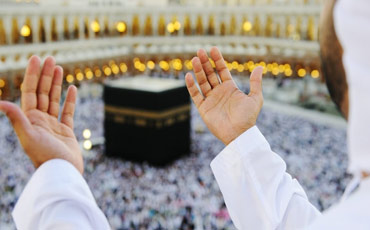
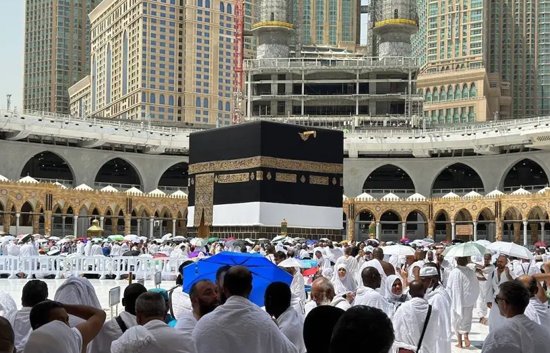
Tawaf means circumambulating the Kaaba seven times.
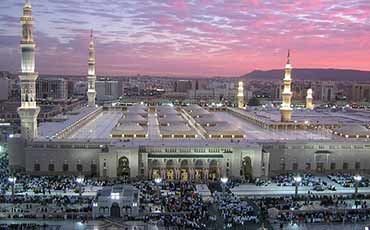
The Kaaba is located inside Masjid al-Haram in Makkah and is the direction Muslims face during prayer.
Sa'i involves walking between Safa and Marwah.
The ritual commemorates Hajar's search for water for her son Ismail.
Those performing Hajj travel to Mina during the Hajj days.
Mina is associated with several important rites, including the stoning of the Jamarat.
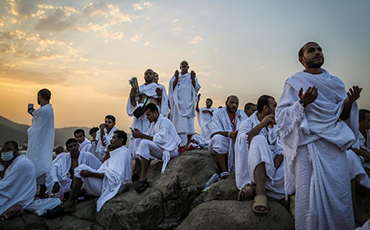
Standing at Arafat is a central part of Hajj.
The Day of Arafah is spent in prayer, supplication and remembrance of Allah.
After leaving Arafat, those performing Hajj travel to Muzdalifah.
Time is spent there in worship and preparation for the next stages of Hajj.
The Jamarat are stoned during the designated days as part of the Hajj rites.
Depending on the type of Hajj, a sacrifice may be required. Hair is also cut or shaved as part of completing the relevant stages of the pilgrimage.
Tawaf al-Ifadah is another important Tawaf performed as part of Hajj.
The exact sequence of certain rites can vary depending on the type of Hajj and the religious guidance being followed.
There are three recognized forms of Hajj:
Tamattu involves performing Umrah before Hajj, leaving Ihram and entering Ihram again for Hajj.
Qiran combines Umrah and Hajj while remaining in one continuous state of Ihram.
Ifrad means performing Hajj alone without combining it with Umrah.
The type chosen affects the sequence of certain rites and the rules related to sacrifice.
The main Hajj rites take place over several days, but the complete journey can last much longer.
The length of the trip depends on the travel itinerary and how much time is planned in Makkah and Madinah.
Some people choose shorter travel arrangements, while others prefer to stay for several weeks.
This is why it is useful to separate the duration of Hajj rites from the duration of the complete Hajj trip.
Hajj and Umrah are both acts of worship associated with Makkah, but they are different.
| Hajj | Umrah |
|---|---|
| Performed during a specific period | Can generally be performed throughout the year |
| One of the Five Pillars of Islam | Not one of the Five Pillars |
| Includes specific Hajj rites | Has fewer rites |
| Obligatory once in a lifetime for those who are able | Has different rulings regarding obligation |
| Takes place during Dhul Hijjah | Can be performed outside the Hajj period |
Also Read: Hajj vs. Umrah: Key Differences and Spiritual Significance
Good preparation involves more than packing clothes.
Before travelling, take time to:
It is also helpful to keep a written list of important contacts and travel information.
The services included in Hajj travel arrangements vary from one provider and package to another.
Depending on the option selected, a package may include:
Always read the complete inclusions before booking. The lowest advertised price does not necessarily mean the lowest overall cost once additional services are considered.
Hajj is a significant act of worship and one of the Five Pillars of Islam. Understanding its purpose, timing and major rites can help make the preparation process clearer.
If you are planning the journey, learn the religious requirements first and then carefully consider practical matters such as travel dates, accommodation, transportation and overall costs.
To compare travel arrangements and services for Hajj and Umrah, Jahan Umrah offers different options that can be reviewed according to your requirements.

Copyrights © 2026 Jahan Umrah (India) Pvt Ltd. All Rights Reserved