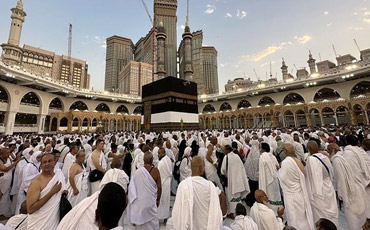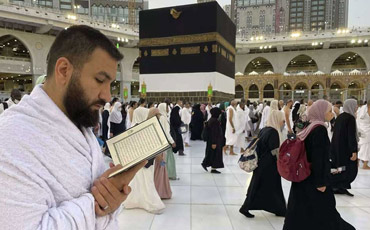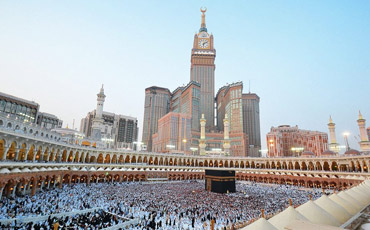
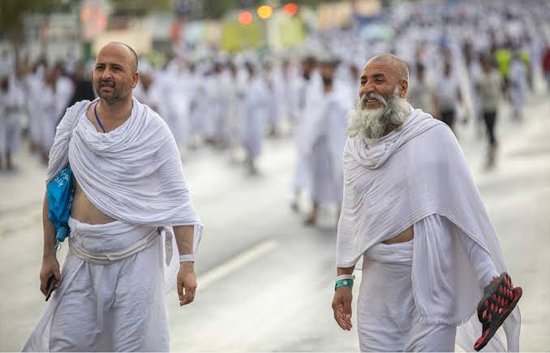
Hajj is a spiritually meaningful journey, but it can also be physically demanding. From walking long distances to spending hours outdoors, pilgrims need to prepare their bodies for different challenges throughout the pilgrimage.
For Indian pilgrims travelling to Saudi Arabia, the hot weather can be one of the biggest concerns. High temperatures, crowded areas, long waiting periods and changes in daily routines can cause tiredness, dehydration and other health problems.
Whether you are performing Hajj for the first time or travelling with your family, taking care of your health should be an important part of your preparation.
The good news is that a few simple habits can help you stay comfortable and manage the physical demands of the journey.
Here are 10 practical tips to help you stay healthy during Hajj.
Hajj involves considerably more walking and physical activity than many people experience in their everyday routine. Preparing your body before departure can help you manage these activities more comfortably.
Start preparing a few weeks before your journey, if possible.
Here is what you can do:
If you have a medical condition or are not used to regular physical activity, ask your doctor what level of preparation is appropriate for you.
Remember, you do not need to push yourself too hard. Consistency is more important than covering long distances immediately.
Dehydration is one of the common health concerns during Hajj, particularly when temperatures are high and pilgrims spend extended periods outdoors.
You may lose more water through sweating, especially while walking between different locations.
To maintain proper hydration:
Do not ignore signs such as a dry mouth, headache, dizziness or unusually dark urine, as these may indicate dehydration.
If you have been advised to restrict your fluid intake because of a medical condition, follow your doctor's instructions rather than increasing water consumption independently.
Hot weather can make the physical activities of Hajj more challenging. Spending too much time in direct sunlight can increase the risk of heat exhaustion and heatstroke.
A few simple precautions can help you manage the heat.
Follow these tips:
If you experience heavy sweating, weakness, nausea, headache or dizziness, move to a cooler place and seek assistance.
Know the warning signs of heatstroke: Confusion, fainting, seizures or an unusually high body temperature can indicate a medical emergency. Call local emergency services immediately, move the person to a cooler place and begin cooling them with water and cold wet cloths while waiting for medical help. Do not wait for the person to recover on their own.
Walking is an important part of the Hajj journey. Pilgrims travel between different locations and may spend considerable time standing or walking during rituals.
Uncomfortable footwear can cause blisters, foot pain, swelling and difficulty walking.
Before travelling, keep these points in mind:
Men must also ensure that their footwear follows the applicable Ihram rules. If you are unsure about the requirements, seek guidance from a knowledgeable religious authority before travelling.
Your body needs enough energy to manage walking, travel and daily activities during Hajj.
Skipping meals or eating only snacks can leave you feeling tired and weak.
Try to maintain a balanced diet throughout the journey.
Include:
Also, maintain good food hygiene. Wash your hands before eating, choose freshly prepared food and avoid food that has been stored improperly.
If you have diabetes, high blood pressure or another medical condition, follow your prescribed dietary plan.
With travel, prayers, rituals and group activities, your daily routine may become different during Hajj.
It can be tempting to stay active throughout the day, but insufficient sleep can make you feel exhausted and reduce your ability to manage physical activities.
Try these simple habits:
If you feel unusually tired, give yourself time to rest rather than forcing yourself to continue walking.
Remember, looking after your health helps you participate in the pilgrimage more comfortably.
If you take regular medication, make sure you have enough supplies for the entire journey, along with some extra in case of travel delays.
Keep your medicines in their original packaging and carry your prescriptions or a doctor's note when appropriate.
Your basic health kit may include:
If you have a chronic medical condition, discuss your travel plans with your doctor before departure. Ask how to manage your medication schedule across time zones and during busy pilgrimage days.
Do not start new medicines or change prescribed doses without medical advice.
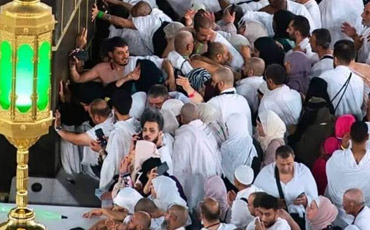
Hajj brings together millions of pilgrims from different countries and backgrounds. Crowded surroundings and close contact with others can increase the spread of respiratory and other infections.
Maintaining good personal hygiene can help reduce your risk of illness.
Follow these precautions:
If you feel unwell, inform your group leader and seek medical assistance rather than ignoring the symptoms.
Hajj can be especially challenging for senior citizens because of long walking distances, hot weather and crowded surroundings.
If you are travelling with your parents or elderly family members, plan their daily activities carefully.
Here are some helpful suggestions:
Before departure, arrange a medical check-up to understand whether they need any additional precautions.
Also, make sure they know the hotel name, group contact details and what to do if they become separated from other family members.
Your travel and accommodation arrangements can influence how comfortably you manage the physical demands of Hajj.
Long journeys, inconvenient hotel locations and unclear transportation arrangements may add unnecessary stress, particularly for families and elderly pilgrims.
When comparing Hajj packages, look beyond the price and understand what services are included.
Consider checking:
Ask the operator for clear details before booking. A well-understood travel arrangement can help you plan your energy, rest and daily activities more effectively.
However, remember that even with convenient arrangements, you should prepare yourself for walking, waiting and outdoor activities during Hajj.
Understanding common health concerns can help you recognise symptoms early and seek appropriate assistance.
| Common problem | Possible symptoms | What you should do |
|---|---|---|
| Dehydration | Dry mouth, headache, dizziness and dark urine | Move to a cooler area and drink water if able |
| Heat exhaustion | Heavy sweating, weakness, nausea and headache | Stop activity, cool down and seek medical advice |
| Heatstroke | Confusion, fainting, seizures or very high body temperature | Seek emergency medical help and begin immediate cooling |
| Blisters | Pain, redness and fluid-filled skin | Keep the area clean, protect it and avoid further friction |
| Muscle cramps | Sudden muscle pain or tightening | Stop activity, rest and seek advice if symptoms persist |
| Respiratory infection | Cough, fever, sore throat or runny nose | Practise hygiene and seek medical advice if needed |
Do not try to manage serious or worsening symptoms on your own. Medical teams and emergency services are available to help pilgrims.
A little preparation can make your journey easier. Use this checklist before leaving for Saudi Arabia.
Completing these basic preparations can help you feel more confident before beginning your pilgrimage.
Taking care of your health during Hajj is just as important as preparing for the journey itself. Staying hydrated, protecting yourself from the heat, wearing comfortable footwear and getting enough rest can help you manage the physical demands of the pilgrimage.
If you are travelling with family or elderly parents, plan ahead and make sure their health and comfort are considered at every stage. Consult your doctor before departure and follow the latest health instructions issued by the relevant authorities.
A little preparation can make a meaningful difference to your travel experience. As you plan your sacred journey, Jahan Umrah can help you explore Hajj travel options and take the next steps towards preparing for your pilgrimage with confidence.

Copyrights © 2026 Jahan Umrah (India) Pvt Ltd. All Rights Reserved