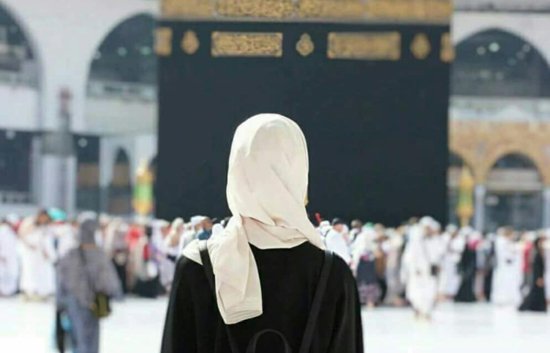
Hajj is a major spiritual journey, and women may have several questions while preparing for it.
What should a woman wear in Ihram? Can she wear a hijab? What happens if menstruation starts before or during Hajj? Does a woman need a Mahram to perform Hajj?
These questions are important because Hajj involves both religious rules and practical preparation.
This guide covers the key points women should understand before travelling for Hajj. Since rulings can differ according to scholarly interpretation and individual circumstances, women should also seek guidance from a qualified scholar for personal religious questions.
Ihram refers to the sacred state a pilgrim enters with the intention of performing Hajj or Umrah.
Unlike men, women do not have a specific two-piece Ihram garment.
A woman can wear normal modest clothing while observing the rules of Ihram.
The clothing should provide proper coverage and be suitable for the pilgrimage.
Yes, women cover their heads during Ihram.
Women should maintain modest Islamic dress while avoiding clothing that violates the specific restrictions of Ihram.
One important distinction is that women should not wear a niqab as a regular face covering while in Ihram, according to the commonly cited ruling. If a woman needs to cover her face because non-mahram men are nearby, she should follow the appropriate scholarly guidance for that situation.
Because details can vary by school of thought, it is useful to clarify these matters with a trusted scholar before travelling.
Comfort and modesty are both important.
Women may consider:
Neutral, comfortable clothing can make long walking periods easier.
Yes, menstruation does not mean that a woman has to abandon her Hajj journey.
A menstruating woman can continue with many aspects of Hajj, including staying with the group and performing the rites that are permitted during menstruation.
However, Tawaf has specific requirements, and a woman who is menstruating generally waits until she becomes pure before performing the required Tawaf.
This is an area where personal circumstances matter, particularly when flights or group departure dates are fixed.
Therefore, women should speak with a qualified scholar or religious guide before travelling so they know what to do if menstruation occurs during Hajj.
If menstruation begins before a required Tawaf, the woman should seek qualified religious guidance about her particular situation.
The answer can depend on:
It is important not to rely on general online advice for a time-sensitive religious ruling.
The ruling can differ depending on which Tawaf has already been completed and which stage of Hajj the woman is in.
For this reason, women should understand the basic rulings before travelling and keep access to a trusted scholar or religious guide during the pilgrimage.
The issue of a Mahram for women travelling for Hajj involves different scholarly opinions and specific circumstances.
A Mahram generally refers to a male relative whom a woman is permanently prohibited from marrying, such as her father, brother or son, depending on the relationship.
Whether a woman may travel for Hajj without a Mahram can depend on the school of Islamic jurisprudence followed, the travel arrangements, security and the applicable rules and regulations.
Therefore, women should not make this decision based solely on a general blog article.
Before booking, it is best to confirm:
This depends on what is meant by "alone."
A woman may travel as part of an organized Hajj group, but the religious ruling regarding travelling without a Mahram is a matter of scholarly difference.
Current travel and Hajj regulations should also be checked because administrative requirements can change.
For this reason, women planning Hajj should confirm both religious requirements and current travel requirements before making arrangements.
A practical packing list can include:
Do not wait until reaching the Miqat to learn the basic Ihram requirements.
Women should carry sufficient sanitary products and understand what to do if their period begins during Hajj.
Hajj involves significant walking. Comfortable footwear can make a major difference.
Hot weather and long walking periods can be physically demanding.
Carry documents securely and keep copies where appropriate.
If travelling as part of an organized Hajj group, keep the group leader's contact details available.
Questions about Ihram, menstruation, Tawaf and Mahram requirements should ideally be clarified before the journey.
Pregnancy does not automatically prevent a woman from performing Hajj, but the physical demands of the pilgrimage can be significant.
A pregnant woman should discuss the journey with her healthcare professional and religious advisor before making arrangements.
Her travel plan should consider walking, heat, hydration, rest and access to medical support.
Women may want to pay particular attention to:
A longer package may provide more time for rest and worship, while a short package may be more suitable for women who need to return home sooner.
The right choice depends on personal circumstances.
Hajj can be a deeply meaningful experience for women, but good preparation is important.
Understanding Ihram, appropriate clothing, menstruation-related rulings and Mahram requirements can help reduce uncertainty before the journey.
Women should remember that some religious questions have different scholarly opinions. Personal circumstances can also change the applicable ruling, so qualified religious guidance should be obtained before and during Hajj.
For practical travel planning, compare Hajj Packages carefully and check accommodation, duration, transport, meals and support services before booking.
For pilgrimage travel arrangements and Hajj and Umrah services, Jahan Umrah offers different package options that can be reviewed according to individual requirements.

Copyrights © 2026 Jahan Umrah (India) Pvt Ltd. All Rights Reserved